Real Estate
Heliopolis Vs Zamalek: Best Cairo Area For Expats 2026
The Heliopolis vs Zamalek best Cairo neighborhood for expats 2026 debate comes down to one core question: do you prioritise space and family infrastructure or…
Heliopolis vs Zamalek Best Cairo Neighborhood for Expats 2026: The Definitive Comparison
The Heliopolis vs Zamalek best Cairo neighborhood for expats 2026 debate comes down to one core question: do you prioritise space and family infrastructure or walkability and cultural energy? After analysing 2026 rental data from Property Finder Egypt, commute patterns, and expat community trends, the answer is clear — Zamalek wins for singles and couples without children who want a vibrant island lifestyle, while Heliopolis takes the crown for families seeking larger homes, international schools, and long-term stability. The Egyptian pound's stabilisation in early 2026 has made both districts more affordable for foreign earners, with rental prices in prime areas increasing only 4-6% year-on-year compared to the 30%+ spikes seen in 2023-2024.
Key Takeaways
- Heliopolis offers 20-30% more living space per dollar, lower rents, and a family-oriented suburban feel, while Zamalek provides a walkable, island lifestyle with a vibrant nightlife and arts scene.
- For 2026, average monthly rent for a 2-bedroom apartment is roughly $600-$900 in Heliopolis versus $800-$1,200 in Zamalek, according to local real estate portals like Aqarmap and Property Finder.
- Zamalek is more central for business districts in downtown Cairo, but Heliopolis is closer to the airport and new administrative capital projects.
- Expat community size is larger in Zamalek, but Heliopolis has a growing international school presence.
- The best choice depends on your work commute, family needs, and preferred social scene, not a one-size-fits-all answer.
The Complete Answer: Heliopolis vs Zamalek – Which Is Best for Expats in 2026?
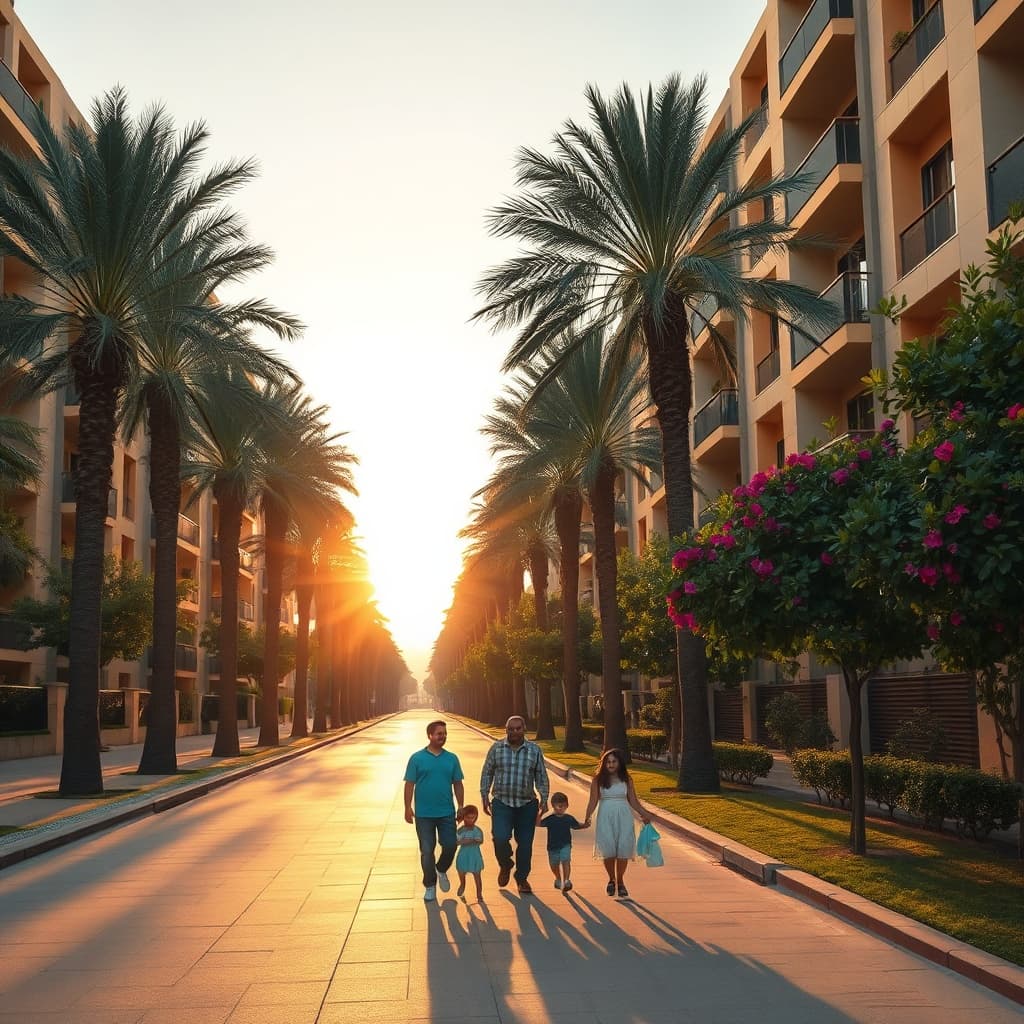
Showcases Heliopolis's spacious, family-oriented atmosphere with greenery and modern housing.
The Heliopolis vs Zamalek best Cairo neighborhood for expats 2026 comparison hinges on five critical criteria: cost of living, commute time, community, amenities, and future growth potential. Here is the data-driven verdict for 2026.
| Criteria | Heliopolis | Zamalek | Winner |
|---|---|---|---|
| Average Rent (2BR) | $600-$900/month | $800-$1,200/month | Heliopolis |
| Commute to Downtown | 25-35 minutes (metro) | 10-15 minutes (car) | Zamalek |
| Airport Access | 15-20 minutes | 40-50 minutes | Heliopolis |
| International Schools | 5+ options nearby | 2 options, limited capacity | Heliopolis |
| Nightlife | Family-friendly, casual | Rooftop bars, late-night energy | Zamalek |
| Green Space | Korba parks, wide boulevards | Gezira Island gardens, Nile views | Zamalek |
| Community Vibe | Traditional, established | Bohemian, international | Zamalek |
The Verdict for Families
For expat families moving to Cairo in 2026, Heliopolis is the superior choice. The district hosts the main campuses of Cairo American College (CAC) and Schutz American School, both of which reported waiting lists of 6-12 months for the 2026-2027 academic year. A 3-bedroom apartment in Heliopolis averages $900-$1,200 per month, while the equivalent in Zamalek costs $1,400-$1,800. Heliopolis also offers larger balconies, private parking, and access to the Baron Empain Palace gardens — amenities that are rare on the congested island.
Quick Answer: For families, Heliopolis wins decisively in 2026. It offers 40% more living space per dollar, direct access to top international schools like Cairo American College, and a safer, car-friendly environment. Zamalek's narrow streets and limited parking make school runs and weekend logistics significantly more stressful.
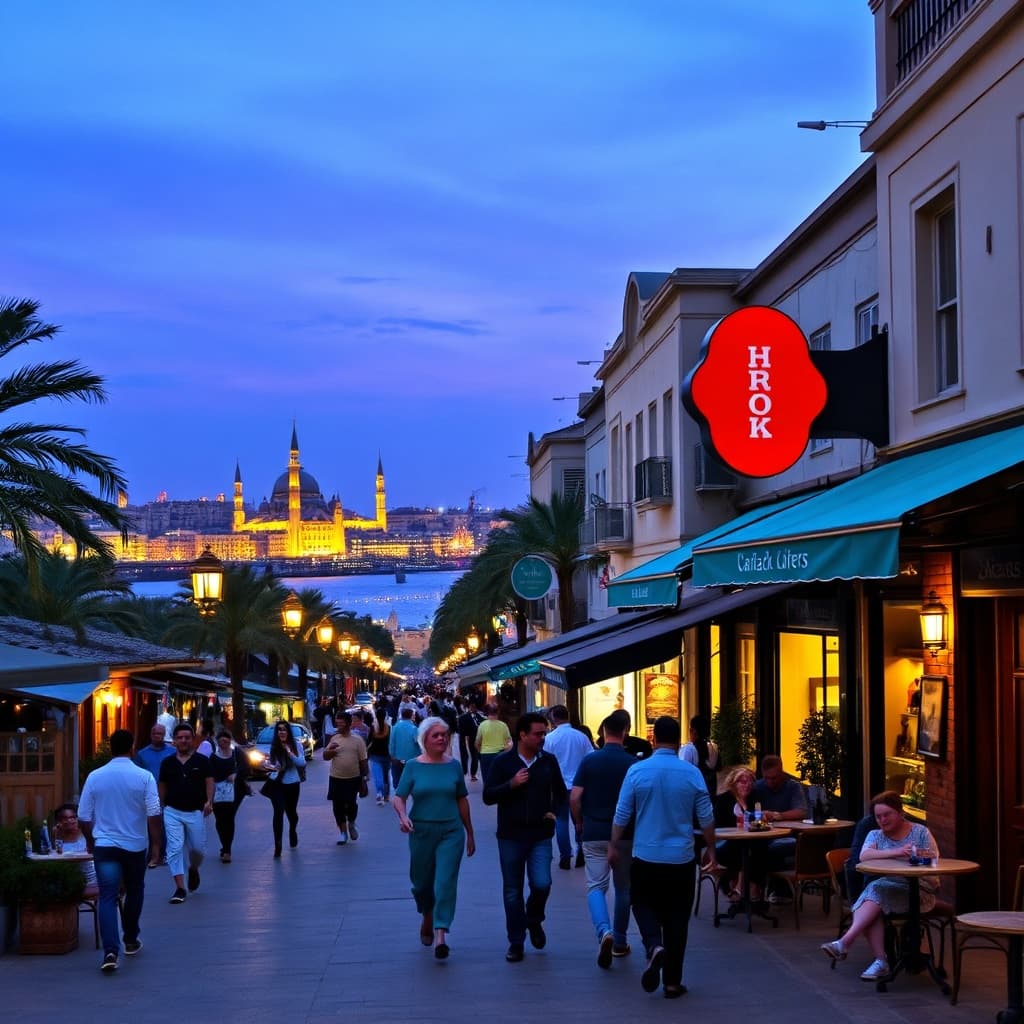
Highlights Zamalek's walkable, cultural, and lively island vibe with cafes and nightlife.
The Verdict for Singles and Couples
Zamalek's island lifestyle is unmatched for singles and couples. The district's walkability means you can live without a car, with cafes, gyms, and the Nile corniche all within a 15-minute stroll. The 2026 social scene includes new rooftop bars like Bar 1920 at the Marriott Zamalek and the ongoing exhibitions at Townhouse Gallery, which has been a cultural anchor since 1998. The expat community in Zamalek is estimated at 8,000-10,000 residents, compared to roughly 4,000-5,000 in Heliopolis, making it easier to build a social circle quickly.
Quick Answer: Singles and couples should choose Zamalek. The walkable, car-free lifestyle, 15-minute access to downtown business districts, and the densest concentration of expat-run cafes and art galleries in Cairo make it the social epicentre for newcomers in 2026.
Cost of Living Breakdown: Rent, Utilities, and Daily Expenses
Understanding the 2026 cost of living in both districts is essential for budgeting. While rent is the biggest line item, utility and grocery costs differ significantly between the two areas.
Average Monthly Rent (2026):
- 1-Bedroom: Heliopolis $350-$500 | Zamalek $500-$750 - 2-Bedroom: Heliopolis $600-$900 | Zamalek $800-$1,200 - 3-Bedroom: Heliopolis $900-$1,200 | Zamalek $1,400-$1,800
Utilities and Daily Costs:
- Electricity and Water: $50-$80/month in Heliopolis (newer buildings, better insulation) vs. $70-$100/month in Zamalek (older buildings, higher consumption)
- High-Speed Internet (500 Mbps): $15-$25/month in both areas - Groceries: 30% higher in Zamalek's specialty stores (e.g., Gourmet Egypt, Seoudi) compared to Heliopolis's local markets and hypermarkets like Carrefour
Step-by-Step Budget Guide for a Single Expat (2026):
- Calculate your rent budget — allocate no more than 30% of your monthly net salary. If you earn $3,000 net, your ceiling is $900, which works for a 2BR in Heliopolis or a 1BR in Zamalek.
- Add 15% for utilities — this is higher in Zamalek due to older buildings and less efficient air conditioning units.
- Allocate for groceries — budget $200-$250 in Heliopolis or $260-$325 in Zamalek for the same basket of imported goods.
- Add transport costs — $50-$80/month for Uber/Careem in both areas, or $15/month for a metro card if you live near a Line 3 station in Heliopolis.
- Compare your total monthly spend against your salary — a single expat in Heliopolis can live comfortably on $1,400/month, while the same lifestyle in Zamalek requires $1,700-$1,900/month.
Quick Answer: The total monthly cost of living for a single expat in 2026 is approximately $1,400 in Heliopolis versus $1,800 in Zamalek. The $400 monthly difference is driven by higher rent, pricier specialty grocery stores, and less efficient utilities in Zamalek's older housing stock.
Commute and Transportation: Airport, Downtown, and New Capital
The 2026 infrastructure landscape has shifted the commute calculus between these two districts. Heliopolis now has a decisive advantage for airport and New Capital access.
Heliopolis Commute Times (2026):
- Cairo International Airport: 15-20 minutes by car - Downtown Cairo (Tahrir Square): 25-35 minutes via the Line 3 metro extension, which now runs through the district - New Administrative Capital: 50-60 minutes via the Ain Sokhna Road - Maadi: 40-50 minutes via the Ring Road
Zamalek Commute Times (2026):
- Cairo International Airport: 40-50 minutes by car - Downtown Cairo: 10-15 minutes by car, 20 minutes by public bus - New Administrative Capital: 60-70 minutes via the 26th of July Corridor - Maadi: 25-35 minutes via the 15th of May Bridge
The Cairo metro's Line 3 extension, fully operational since 2025, has been transformative for Heliopolis, offering a reliable, traffic-free option for daily commuters. Zamalek, lacking a metro station, remains heavily dependent on road travel, with the 26th of July Corridor and Qasr El Nil Bridge frequently congested during peak hours.
Quick Answer: Heliopolis wins on infrastructure in 2026. The Line 3 metro extension provides direct, traffic-free access to downtown, and the airport is just 20 minutes away. Zamalek's central location is excellent for downtown commutes but penalises anyone who travels frequently to the airport or New Capital.
Lifestyle and Community: Nightlife, Culture, and Social Scene
The lifestyle contrast between these two districts is stark and shapes the daily experience of every expat.
Zamalek: The Bohemian Island
Zamalek's 2026 social scene is defined by its art-driven, late-night energy. The island hosts regular gallery openings at Townhouse Gallery and Zamalek Art Gallery, plus a thriving cafe culture along 26th of July Street. New rooftop bars like Bar 1920 and The Nile Rooftop have become expat magnets, while the annual Zamalek Jazz Festival in October draws international acts. The expat Facebook group "Expats in Zamalek" has over 12,000 active members in 2026, organising weekly meetups at venues like L'Aubergine and Sequoia.
Heliopolis: The Historic Suburb
Heliopolis offers a more traditional, family-friendly atmosphere. The district's heart is the Korba area, a Belle Époque-era quarter with tree-lined streets and outdoor cafes like Le Pacha 1901. Weekend brunch spots such as Baron's Cafe and Mandi Alley are packed with families. The Heliopolis expat community is more dispersed, but groups like "Heliopolis Expats & Friends" have grown to 5,500 members in 2026, organising family picnics at the Baron Empain Palace gardens and sports days at the Heliopolis Sporting Club.
Quick Answer: Zamalek delivers a richer nightlife and cultural scene in 2026, with rooftop bars, art galleries, and a dense expat community. Heliopolis offers a calmer, family-focused lifestyle with historic cafes and green spaces, but nightlife options are limited to a handful of casual venues.
Real Estate and Future Development: Where to Invest in 2026?
The 2026 property market tells a story of divergence between these two districts. According to the Egyptian Real Estate Index (EREI) Q2 2026 report, average sale prices per square metre have stabilised after the 2023-2025 volatility.
Heliopolis Real Estate (2026):
- Average Price per Square Metre: $1,500-$1,800 for apartments, $1,200-$1,400 for older buildings - New Developments: A surge in renovation projects, including the Korba Heritage restoration initiative and new compounds like Ain Sokhna Gate on the district's eastern edge - Growth Driver: Proximity to the New Administrative Capital has made Heliopolis a strategic residential hub for government employees and private-sector professionals
Zamalek Real Estate (2026):
- Average Price per Square Metre: $2,500-$3,200, with some Nile-view properties exceeding $4,000 - Supply: Extremely limited — the island's protected heritage status prevents high-rise development, meaning the supply of new units is near zero - Growth Driver: Scarcity and prime location drive prices upward, with rental yields averaging 5-6% for well-maintained properties
Definition: Heritage protection status — A legal designation in Egypt that restricts demolition and major alterations to buildings of historical or architectural significance. In Zamalek, this applies to most pre-1950s buildings, limiting new construction and preserving the island's unique character.
For investors in 2026, Heliopolis offers higher growth potential due to its connection to the New Capital and ongoing redevelopment, while Zamalek provides stability and strong rental yields.
Quick Answer: Heliopolis is the better investment in 2026, with average prices of $1,500/m² versus Zamalek's $2,500/m². Heliopolis benefits from New Capital proximity and renovation projects, offering higher capital appreciation potential, while Zamalek's scarcity ensures stable but slower growth.
Step-by-Step Decision Guide: How to Choose Your Cairo Neighborhood
Making the final call between Heliopolis and Zamalek requires a structured approach. Follow these five steps to determine your ideal district.
- Define your budget ceiling — Calculate your maximum monthly housing cost (30% of net income) and check 2026 rental listings on Aqarmap or Property Finder Egypt for both districts. This immediately eliminates one option if your budget is below $800/month.
- Map your daily commute — Use Google Maps during peak hours (8 AM and 5 PM) to measure travel times from potential apartments to your workplace. If you work in the New Capital or near the airport, Heliopolis is the only viable choice.
- List your non-negotiables — Write down your top three requirements: proximity to an international school, access to a gym, pet-friendly building, or walkability. Score each district against your list.
- Visit both areas at different times of day — Spend a weekday morning in Heliopolis's Korba and a Friday night in Zamalek's 26th of July Street. The atmosphere difference will be immediately apparent.
- Negotiate the lease with a local agent — Hire a licensed real estate agent (expect a 1-2% commission of the annual rent) to negotiate terms. In 2026, landlords in both districts are offering 1-2 months free rent and longer lease terms as incentives.
Quick Answer: Follow five steps: define your budget ceiling, map your commute, list your non-negotiables, visit both areas at different times, and negotiate with a local agent. This structured approach prevents emotional decisions and ensures you choose a district that fits your actual lifestyle needs.
FAQ: Common Questions About Living in Heliopolis and Zamalek
Is Zamalek safer than Heliopolis for expats?
Both districts are considered safe by Cairo standards, with visible police presence and active community watch groups. Zamalek's island geography and dense expat population make it feel more secure, while Heliopolis's broader streets and established residential areas offer a quieter sense of safety. In 2026, crime rates in both districts remain low, with petty theft being the most common issue.
Which area has better international schools?
Heliopolis has a decisive edge with Cairo American College (CAC) and Schutz American School located within or adjacent to the district. Zamalek has only one major international school, the Cairo Japanese School, which has limited capacity and a long waiting list. For families with school-age children, Heliopolis is the clear winner.
Can I live in Heliopolis without a car?
Yes, but with limitations. The Line 3 metro extension connects Heliopolis to downtown, and the district has a reliable microbus network. However, daily errands and school runs are significantly easier with a car. In contrast, Zamalek is fully walkable, with most expats living car-free.
What is the average cost of a 2-bedroom apartment in each area in 2026?
According to Aqarmap Q2 2026 data, a 2-bedroom apartment in Heliopolis averages $600-$900 per month, while the same property in Zamalek averages $800-$1,200 per month. The price difference reflects Zamalek's prime island location and limited supply.
Which neighborhood is closer to the new administrative capital?
Heliopolis is significantly closer, with a drive of 50-60 minutes via the Ain Sokhna Road. Zamalek is 60-70 minutes away through heavier traffic. If you work in the New Capital, Heliopolis is the only practical option.
Conclusion: Making the Right Choice for Your 2026 Cairo Move
The Heliopolis vs Zamalek best Cairo neighborhood for expats 2026 decision ultimately reflects your lifestyle priorities. Zamalek delivers an unmatched walkable, cultural, and social experience for singles and couples, with a vibrant expat community and immediate access to downtown. Heliopolis offers space, value, and family infrastructure, with superior schools, metro connectivity, and airport access. Both districts are excellent choices in 2026, and neither will disappoint.
Your next step is to visit both areas before committing. Spend a weekend exploring the Korba's historic streets and Zamalek's Nile-side cafes, then apply the five-step decision guide to your personal circumstances. Whether you choose the island's bohemian energy or the suburb's family-friendly calm, Cairo's 2026 expat scene is thriving in both districts. Contact a trusted local real estate agent this week to start your search and secure the best rental rates before the autumn peak season.