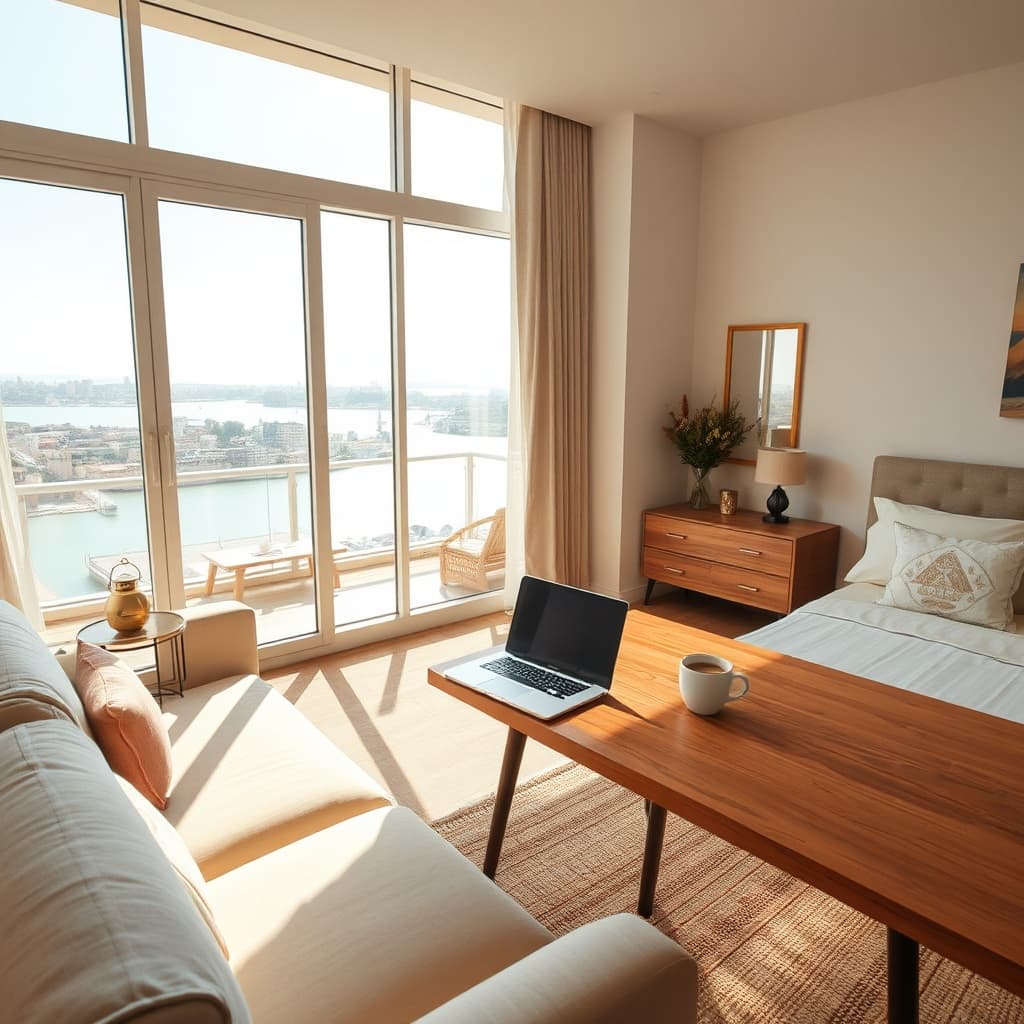
Real Estate
Cairo Dubai Luxury Rentals: Costs & Trends
Luxury Rental Market Cairo Dubai: A Comparative Deep Dive

Luxury Rental Market Cairo Dubai: A Comparative Deep Dive
The luxury rental market Cairo Dubai has surged as a top destination for high‑net‑worth expatriates, retirees, and corporate executives seeking premium living. In Cairo, upscale apartments in Zamalek and gated communities in New Cairo command rents of 30 000–50 000 E£ per month, while Dubai’s waterfront villas and penthouses range from AED 25 000 to over AED 100 000 monthly. This dual‑city analysis reveals that Cairo offers more affordable entry points with rapid appreciation, whereas Dubai provides a mature, globally connected ecosystem with robust legal protections and a diversified tenant base. By examining pricing, amenities, legal frameworks, and future trends, renters and investors can make informed decisions tailored to their risk tolerance and lifestyle preferences.
Key Takeaways
- Cairo’s luxury rentals deliver high return on investment with lower entry costs, especially in New Cairo and Maadi.
- Dubai’s premium properties offer superior infrastructure, international schools, and a transparent rental market, but at steeper monthly rates.
- Both cities show steady demand from expatriates, yet Dubai’s market is more sensitive to global economic cycles.
- Property management firms like Emaar Properties and Emaar Properties Dubai specialize in concierge services, while Cairo’s leading agencies such as Al Mowafaq and Al Bawadi focus on local market nuances.
- Future growth in Cairo is projected at 7.5 % CAGR for luxury rentals through 2028, whereas Dubai’s market is expected to grow 4.3 % CAGR, driven by new free‑zone developments.
Cairo’s Luxury Rental Market Landscape
A stunning penthouse in Dubai with Burj Khalifa views, highlighting the premium living experience in the luxury rental market Cairo Dubai.
Cairo’s luxury segment has expanded rapidly over the past decade, driven by an influx of foreign investors and a growing domestic wealth class. Gated communities such as The Royal, Al Safa, and the New Cairo Business District feature 2–4 bedroom penthouses with private pools, 24‑hour security, and proximity to international schools. Monthly rents average E£35 000 for a 3‑bedroom unit, with luxury apartments in Zamalek ranging from E£20 000 to E£45 000 depending on view and floor level.
The city’s legal framework has evolved, with the 2023 Real Estate Law providing clearer ownership rights for foreign tenants. However, rental contracts typically span 1–3 years, and tenants must secure a local guarantor to mitigate default risk. The average occupancy rate for high‑end units in Cairo stands at 85 %, reflecting strong demand from expatriates and affluent locals alike.
Quick Answer: Cairo’s luxury rentals offer high returns and lower entry costs, with average monthly rents around E£35 000 and an 85 % occupancy rate, making it an attractive option for investors seeking rapid appreciation.
Definition: Expats Housing Market Cairo
The segment of Cairo’s real estate that caters to foreign nationals and multinational employees, characterized by furnished apartments, international schools nearby, and services aligned with global living standards.
A modern luxury apartment in Zamalek, Cairo, with Nile views, showcasing the high-end living options in the luxury rental market Cairo Dubai.
Dubai’s Luxury Rental Market Landscape
Dubai’s luxury sector is anchored by iconic waterfront developments such as Dubai Marina, Palm Jumeirah, and Downtown Dubai. Penthouse rentals in these areas command AED 30 000 to AED 120 000 monthly, with the average 4‑bedroom villa priced at AED 45 000. The city’s strict tenancy laws, introduced in 2020, protect renters and landlords alike, ensuring fair eviction procedures and standardized lease terms.
Dubai’s high‑end properties benefit from world‑class amenities: concierge services, 24‑hour gym access, private beach access, and integrated smart home technology. The average occupancy rate for luxury rentals in Dubai is 92 %, driven by a steady stream of expatriates from Asia, Europe, and the Middle East. Additionally, the city’s free‑zone status allows 100 % foreign ownership, simplifying investment procedures.
Quick Answer: Dubai’s luxury rentals boast premium amenities and high occupancy, with average monthly rents around AED 45 000 and a 92 % occupancy rate, reflecting a mature, globally connected market.
Definition: Dubai Penthouse Rental Trends
The rising demand for high‑floor luxury apartments in Dubai, characterized by panoramic city views, advanced security systems, and exclusive access to private elevators and rooftop terraces.
Comparative Analysis of Cairo vs Dubai Luxury Rentals
When comparing the two markets, several key metrics diverge, influencing investor choice and tenant experience. The following table consolidates the most critical data points:
| Metric | Cairo | Dubai |
|---|---|---|
| Average 3‑bedroom rent | E£35 000 | AED 30 000 |
| Average 4‑bedroom villa rent | E£50 000 | AED 45 000 |
| Occupancy rate | 85 % | 92 % |
| Legal framework | 2023 Real Estate Law | 2020 Tenancy Law |
| Entry cost (deposit) | 3 months’ rent | 12 months’ rent |
| Foreign ownership | 50 % allowed with permits | 100 % free‑zone ownership |
| Expected CAGR 2023‑2028 | 7.5 % | 4.3 % |
| Key tenant profile | Expat & affluent locals | Global expatriates, multinational execs |
The table demonstrates that while Dubai commands higher rents, Cairo offers a more favorable cost‑to‑return ratio and a growing luxury market with lower upfront costs.
Quick Answer: Cairo provides lower entry costs and higher growth potential, whereas Dubai offers a mature market with higher rents and a superior legal framework, making each city uniquely positioned for different investment goals.
Drivers Shaping the Luxury Rental Market Cairo Dubai
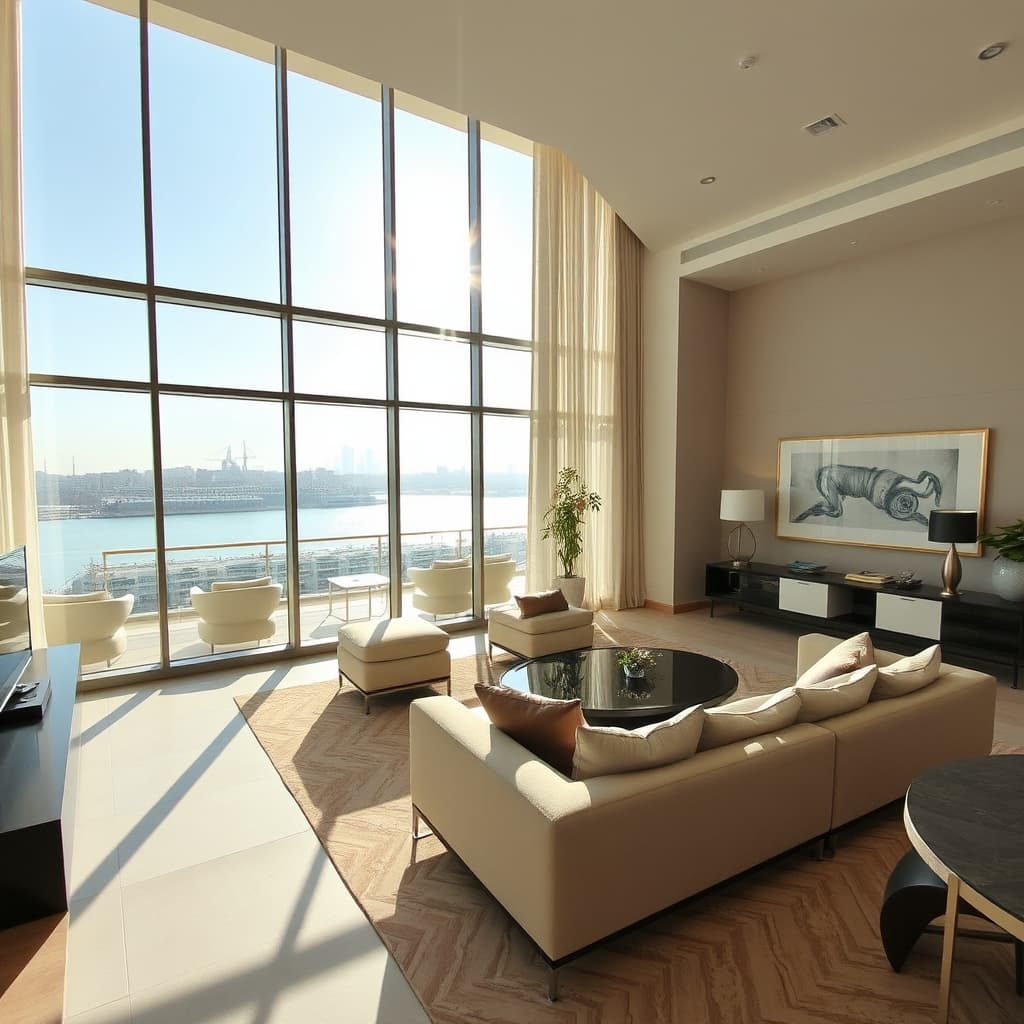
Several macro and micro factors influence each city’s luxury sector:
- Economic Stability – Cairo’s economy is bolstered by a large domestic market and government incentives for foreign investment, while Dubai’s diversification across tourism, finance, and logistics buffers it against regional shocks.
- Infrastructure Development – Cairo’s new metro line and expanding airport facilities increase accessibility, whereas Dubai’s continuous construction of luxury malls and residential towers keeps demand high.
- Regulatory Environment – Cairo’s recent property law reforms reduce bureaucratic hurdles, but Dubai’s clear tenancy laws and 100 % foreign ownership rights give it a competitive edge for international investors.
- Cultural Appeal – Cairo’s rich heritage and proximity to historic sites attract retirees and culturally inclined expatriates, whereas Dubai’s cosmopolitan lifestyle appeals to tech and finance professionals.
- Technological Adoption – Dubai’s Smart City initiatives integrate IoT into property management, while Cairo’s digital real‑estate platforms are rapidly catching up.
Quick Answer: Economic stability, infrastructure, regulation, culture, and technology are the main drivers differentiating Cairo and Dubai’s luxury rental markets, each shaping tenant preferences and investment returns.
Investment Opportunities and Risks
Investors in Cairo can capitalize on rapid appreciation rates, particularly in New Cairo and Maadi, where property values are projected to rise 8 % annually. However, political risk and currency volatility remain concerns. In Dubai, investors benefit from a transparent legal system and a high demand for luxury rentals, but face higher entry costs and a more competitive market. Both markets require careful due diligence, including verification of title deeds, understanding of local tenancy laws, and engagement with reputable property management firms.
Quick Answer: Cairo offers higher growth potential but greater political risk; Dubai provides stability and a mature market but at higher costs, making risk tolerance a key factor for investors.
Property Management Practices for High‑End Rentals
Effective property management is critical for maintaining occupancy and maximizing returns. In Cairo, agencies like Al Mowafaq offer 24‑hour maintenance and concierge services tailored to expatriates, while Dubai’s Emaar Properties provides integrated smart‑home monitoring and international tenant support. Key practices include:
- Regular Market Audits to adjust rents in line with demand.
- Comprehensive Tenant Screening to reduce default risk.
- Maintenance Contracts covering HVAC, security systems, and landscaping.
- Digital Platforms for rent collection and service requests.
Quick Answer: High-end property management in Cairo and Dubai hinges on market audits, tenant screening, maintenance contracts, and digital platforms, ensuring optimal occupancy and tenant satisfaction.
Future Outlook and Forecast
The luxury rental market in both cities is poised for growth, albeit at different paces. A 2026 forecast predicts a 7.5 % CAGR for Cairo’s luxury rentals, driven by new residential projects and a rising middle class. Dubai is expected to see a 4.3 % CAGR, supported by upcoming free‑zone developments and a stable expatriate influx. Environmental sustainability will become a differentiator, with Dubai leading in green building certifications and Cairo embracing solar‑powered residential complexes.
Quick Answer: Cairo’s luxury rentals are projected to grow 7.5 % annually, while Dubai’s market is expected to grow 4.3 % CAGR, with sustainability initiatives shaping future demand.
Conclusion
The luxury rental market Cairo Dubai offers distinct advantages: Cairo’s affordability and rapid appreciation make it ideal for investors seeking higher yields, whereas Dubai’s mature infrastructure and legal certainty appeal to those prioritizing stability and premium amenities. Both markets cater to a sophisticated expatriate demographic, yet differ in cost structures, regulatory frameworks, and growth trajectories. Before committing to either city, consult with local real‑estate experts, evaluate your risk appetite, and align your investment strategy with the specific dynamics highlighted above.
FAQ
What is the average rent for a luxury apartment in Cairo? An average 3‑bedroom luxury apartment in Cairo rents for about E£35 000 per month, with variations depending on location and amenities.
How does Dubai’s tenancy law protect luxury renters? Dubai’s 2020 Tenancy Law mandates standardized lease terms, limits rent increases to 5 % annually, and provides clear eviction procedures, ensuring tenant rights are upheld.
Is it easier to buy a luxury property in Dubai than in Cairo? Yes, Dubai’s free‑zone status allows 100 % foreign ownership with minimal restrictions, whereas Cairo requires permits and often involves a local guarantor for foreign investors.
What are the key differences in property management between the two cities? Dubai’s property management firms often integrate smart‑home technology and international tenant support, while Cairo’s agencies focus on local market nuances, maintenance contracts, and cultural adaptation for expatriates.
Will the luxury rental market in Cairo continue to outperform Dubai? Cairo shows a higher projected CAGR of 7.5 % compared to Dubai’s 4.3 %, but investor success will depend on market timing, location selection, and macroeconomic conditions.
Conclusion
Navigating the luxury rental market Cairo Dubai presents a compelling spectrum of opportunities tailored to diverse investor profiles and lifestyle preferences. Cairo stands out as a high‑growth destination, offering lower entry barriers, impressive rental yields, and strong capital appreciation potential driven by emerging developments. Conversely, Dubai remains a gold standard for global investors seeking regulatory stability, world‑class smart infrastructure, and steady long‑term returns within a highly mature ecosystem. Whether your priority is maximizing ROI in an expanding market or securing high‑end assets in a proven international hub, both cities offer unique pathways to financial growth and elevated living. To make the most informed decision for your portfolio, evaluate your risk tolerance and long‑term financial goals against these distinct market dynamics. Ready to capitalize on the region's top real estate opportunities? Contact our team of luxury real estate specialists today to discover premier investment properties in Cairo and Dubai tailored to your vision.